
hair bleaching aftercare Key Takeaways
Your scalp needs time to recover from the chemical process, and the hair cuticle needs to reseal slightly.
- The right hair bleaching aftercare routine can reduce breakage by up to 70% when you focus on moisture-protein balance.
- Professional-grade bond builders and sulfate-free shampoos are non-negotiable for bleached hair.
- Heat styling should be limited or used with a thermal protectant to prevent cumulative damage.
Why Dedicated Hair Bleaching Aftercare Matters
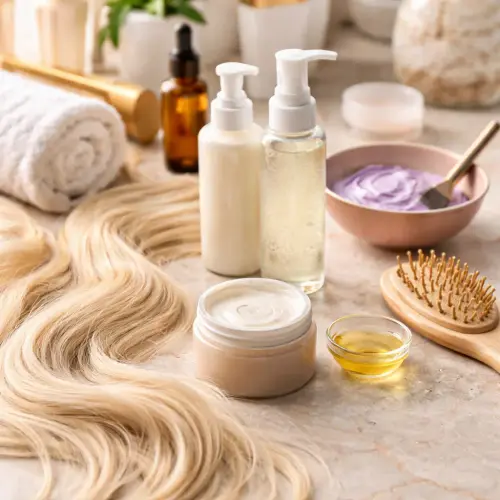
Bleaching lifts the cuticle to remove pigment, leaving the hair shaft porous and fragile. Without proper aftercare, your hair can become dry, brittle, and prone to breakage. Celebrity colorist Sarah Choi explains, “Bleached hair is like a sponge — it loses moisture faster and needs targeted ingredients to stay strong.” A consistent routine of deep conditioning, protein treatments, and gentle cleansing will extend the life of your color and the health of your strands.
7 Step-by-Step Stylist-Approved Tips for Bleached Hair Care
1. Wait 48 to 72 Hours Before Your First Wash
Your scalp needs time to recover from the chemical process, and the hair cuticle needs to reseal slightly. Stylist and educator James Rivera notes, “Giving your hair a two-day break after bleaching helps lock in the toner and prevents premature fading.” When you do wash, use lukewarm water — hot water opens the cuticle and strips color.
2. Switch to a Sulfate-Free, Color-Safe Shampoo
Sulfates are harsh detergents that strip natural oils and color molecules. Look for shampoos labeled “sulfate-free” and “for color-treated hair.” For example, Olaplex No. 4 Bond Maintenance Shampoo is a top stylist pick because it cleanses gently while repairing broken bonds. For a related guide, see 7 Easy Korean Hair Looks for Everyday Elegance.
3. Deep Condition With Every Wash
Bleached hair craves moisture. A rich, creamy deep conditioner should sit on your hair for at least five minutes each time you wash. For extra intensity, use a steam cap or wrap your hair in a warm towel. Joico K-Pak Deep-Penetrating Reconstructor is a favorite among stylists for adding moisture and strength in one step.
4. Incorporate a Weekly Bond-Repairing Treatment
Bond builders like Olaplex No. 3 or K18 Leave-In Molecular Repair Mask work by re-linking broken disulfide bonds inside the hair shaft. Apply before shampooing and leave on for the recommended time (usually 10–15 minutes). This is the most important step in stylist recommended hair care for bleached hair.
5. Apply a Leave-In Conditioner or Hair Oil Daily
Leave-in products provide ongoing hydration and protect against environmental stressors. Look for ingredients like argan oil, shea butter, or hyaluronic acid. After every wash, apply a dime-sized amount to damp ends to seal in moisture and reduce frizz.
6. Limit Heat Styling and Always Use a Heat Protectant
Heat speeds up protein loss in bleached hair. If you must blow-dry or flat-iron, set your tool to a maximum of 300°F and spray a thermal protectant like Living Proof Restore Perfecting Spray before styling. Air-drying as often as possible will significantly reduce long-term damage.
7. Sleep on a Silk or Satin Pillowcase
Cotton pillowcases create friction that leads to tangles and breakage. Silk or satin reduces friction and helps retain moisture. This simple swap can make a noticeable difference in how your hair looks come morning.
Common Mistakes in Hair Bleaching Aftercare to Avoid
Over-Washing Your Hair
Washing your hair every day strips it of natural oils and color. Aim for two to three times a week at most. If your scalp feels oily between washes, use a dry shampoo designed for color-treated hair. For a related guide, see 7 Blonde Hair Maintenance Tips Busy Professionals Swear By.
Skipping Protein Treatments
Too much moisture without protein can leave hair mushy and weak. A protein treatment once a week (like the one from Aphogee) restores structural integrity. Alternate between a moisture mask and a protein mask to maintain balance.
Using Clarifying Shampoos Too Often
Clarifying shampoos are great for removing buildup, but they can strip color and moisture if used more than once a month. Stick to gentle, sulfate-free formulas for regular cleansing.
| Product Type | Key Ingredient to Look For | Example Brand |
|---|---|---|
| Sulfate-Free Shampoo | Cocamidopropyl betaine | Olaplex No. 4 |
| Deep Conditioner | Hydrolyzed keratin | Joico K-Pak |
| Bond Repair Treatment | Bis-aminopropyl diglycol dimaleate | Olaplex No. 3 |
| Leave-In Conditioner | Argan oil | Moroccanoil |
| Heat Protectant | Phenyl trimethicone | Living Proof Restore |
Optimization Tips for Long-Term Bleached Hair Care
How to Fight Brassiness Between Salon Visits
Use a purple shampoo once a week to neutralize yellow undertones. Apply it to damp hair, leave for 3–5 minutes, then rinse with cool water. Overuse can lead to a violet tint, so start slow and adjust based on your toner level.
Protect Your Hair From Sun and Chlorine
UV rays and chlorine can oxidize color and weaken the hair shaft. Spray a leave-in conditioner with UV filters before heading outdoors. After swimming in a pool, rinse your hair immediately with clean water, then use a chelating shampoo (like Redken Color Extend) once every two weeks to remove mineral buildup.
Trim Regularly to Prevent Split Ends
Bleached hair is more prone to split ends. Schedule a trim every 6–8 weeks to keep ends healthy and prevent breakage from traveling up the shaft. Even a quarter-inch trim makes a difference.
Useful Resources
For deeper science on bond repair, read the Olaplex How It Works Guide — it explains the chemistry behind broken disulfide bonds and how they are re-linked.
For ingredient transparency and product reviews, check the Allure list of best products for bleached hair, which is updated annually with input from board-certified dermatologists and professional colorists.
Frequently Asked Questions About hair bleaching aftercare
How soon can I wash my hair after bleaching?
Most stylists recommend waiting at least 48 hours before your first wash to allow the cuticle to reseal and the color to set.
Can I use regular shampoo on bleached hair?
Regular shampoos often contain sulfates that strip color and natural oils. Opt for a sulfate-free shampoo designed for color-treated hair instead.
What is the best conditioner for bleached hair?
A deep conditioner with hydrolyzed keratin or shea butter is ideal. Joico K-Pak and Olaplex No. 5 are popular stylist choices.
How often should I use a bond repair treatment?
Once a week is typically sufficient for maintenance. If your hair is severely damaged, you may use it every 3–4 days for the first month. For a related guide, see 7 Easy Low Maintenance Hair Styles for Women: Chic and Effortless.
Can I color my hair again after bleaching?
Yes, but wait at least 2–3 weeks to allow your hair to recover and rehydrate. Your stylist will assess elasticity and porosity first.
Does purple shampoo damage bleached hair?
No, but it can dry out hair if used too frequently. Limit usage to once or twice per week and always follow with a conditioner.
How do I know if my bleached hair needs protein?
If your hair feels mushy, limp, or stretches excessively when wet, it likely needs protein. A simple stretch test can help you decide.
What home remedies help bleached hair?
A DIY mask with avocado, coconut oil, and honey can add moisture, but it won’t replace professional bond repair. Use as a supplement.
Should I use a hair mask before or after shampoo?
Most deep conditioners are applied after shampooing. Bond repair treatments like Olaplex No. 3 are applied to damp, unwashed hair before shampooing.
How can I prevent my bleached hair from turning brassy?
Use a purple shampoo once a week, avoid excessive sun exposure, and rinse with cool water after washing to keep warm tones at bay.
Can I use heat tools on bleached hair?
Yes, but always on a low setting (max 300°F) and with a heat protectant spray to minimize damage.
Is coconut oil good for bleached hair?
Coconut oil can penetrate the hair shaft and reduce protein loss, but it may not fully moisturize high-porosity bleached hair. Use it sparingly.
How long does bleached hair stay healthy?
With proper care, bleached hair can stay healthy for months. The key is consistent moisture-protein balance and regular trims.
What is the best oil for bleached hair?
Argan oil and jojoba oil are excellent choices because they mimic natural sebum and absorb easily without weighing hair down.
Can I swim with bleached hair?
Yes, but wet your hair with clean water first and apply a leave-in conditioner to reduce chlorine absorption. Rinse immediately after swimming.
Why does my bleached hair feel sticky?
Stickiness can indicate product buildup or over-processing. Try a clarifying shampoo or consult your stylist for a porosity check.
Should I trim my hair before or after bleaching?
Trimming before bleaching removes old split ends, while trimming after removes damage caused by the process. Both have benefits — ask your stylist.
Can I use apple cider vinegar on bleached hair?
Yes, diluted apple cider vinegar can help balance pH and remove buildup. Use once a month and rinse thoroughly.
Is it normal for bleached hair to shed more?
Some shedding is normal due to breakage, but excessive hair loss may indicate an allergic reaction or over-processing. Consult a professional.
Can I use coconut milk as a deep conditioner?
Coconut milk is hydrating, but it lacks the protein and structured ingredients of professional masks. Use it as a weekly supplement, not a primary treatment.